A Synthesis of
Space, Service,
and Digital Stewardship
Contact Us
Our Approach
Is your library struggling to meet the evolving needs of your community?
We provide expert consulting services to help you reimagine your library as a dynamic center for learning, research, and collaboration. Our services include strategic planning, space planning, technology integration, and fundraising support. Let us help you create a library that empowers your academic and/or public library community to thrive.
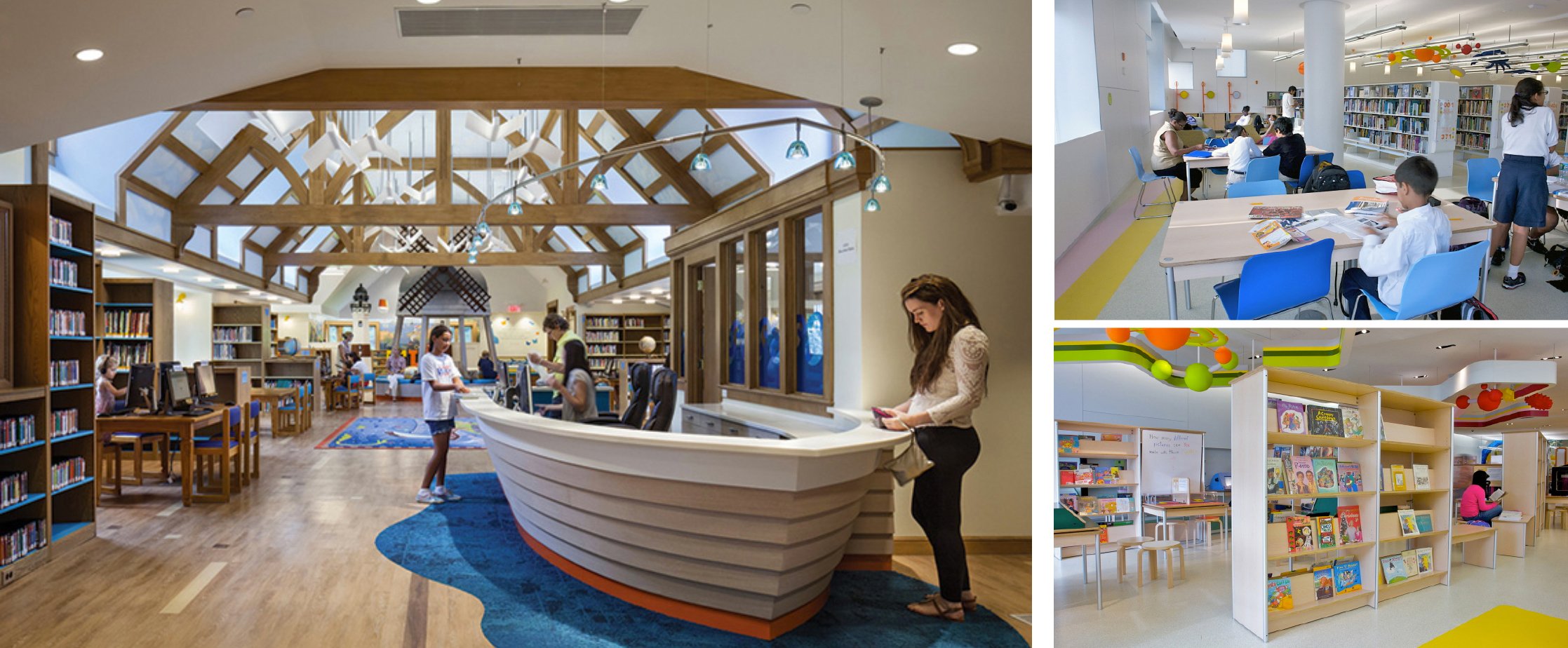
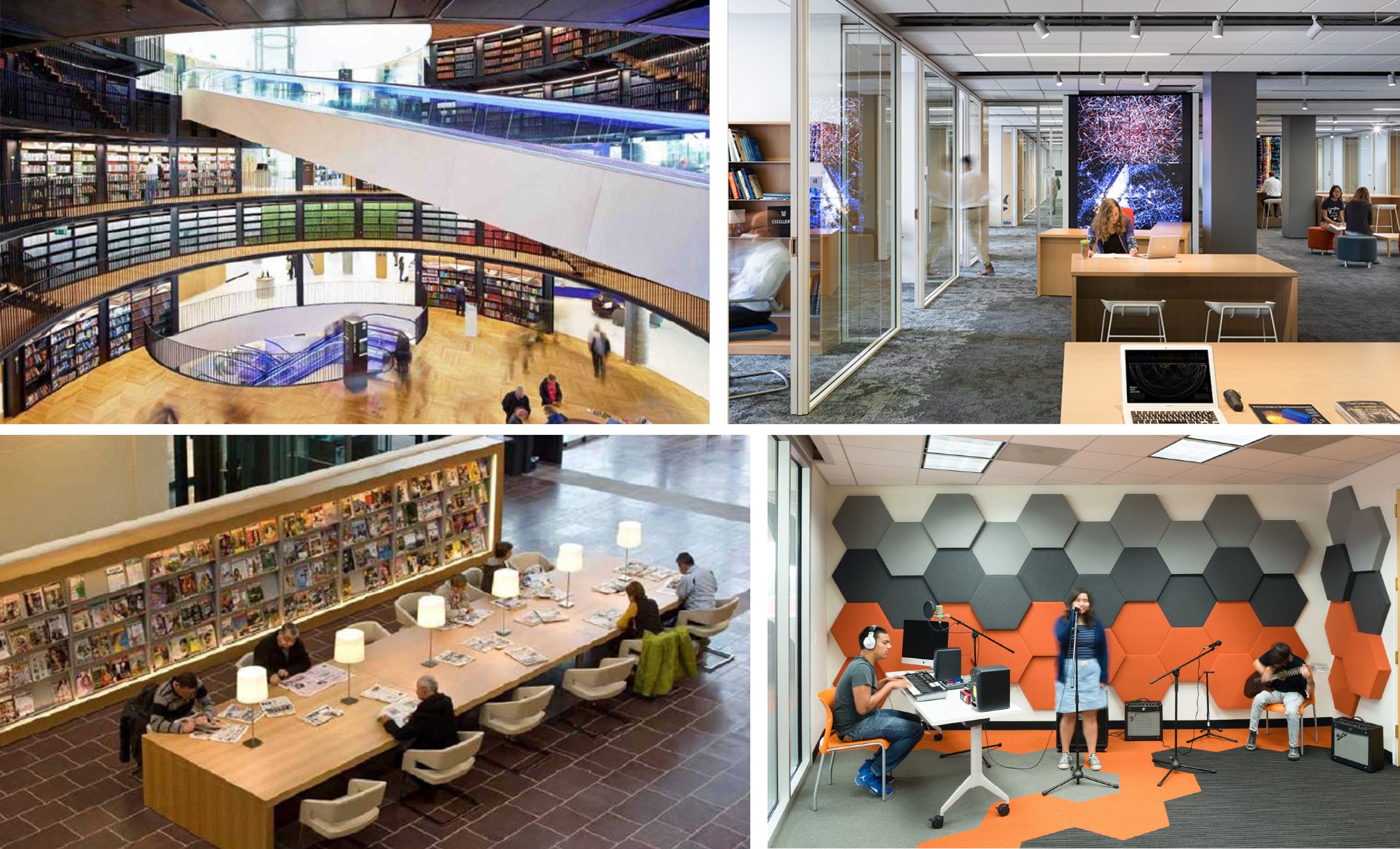
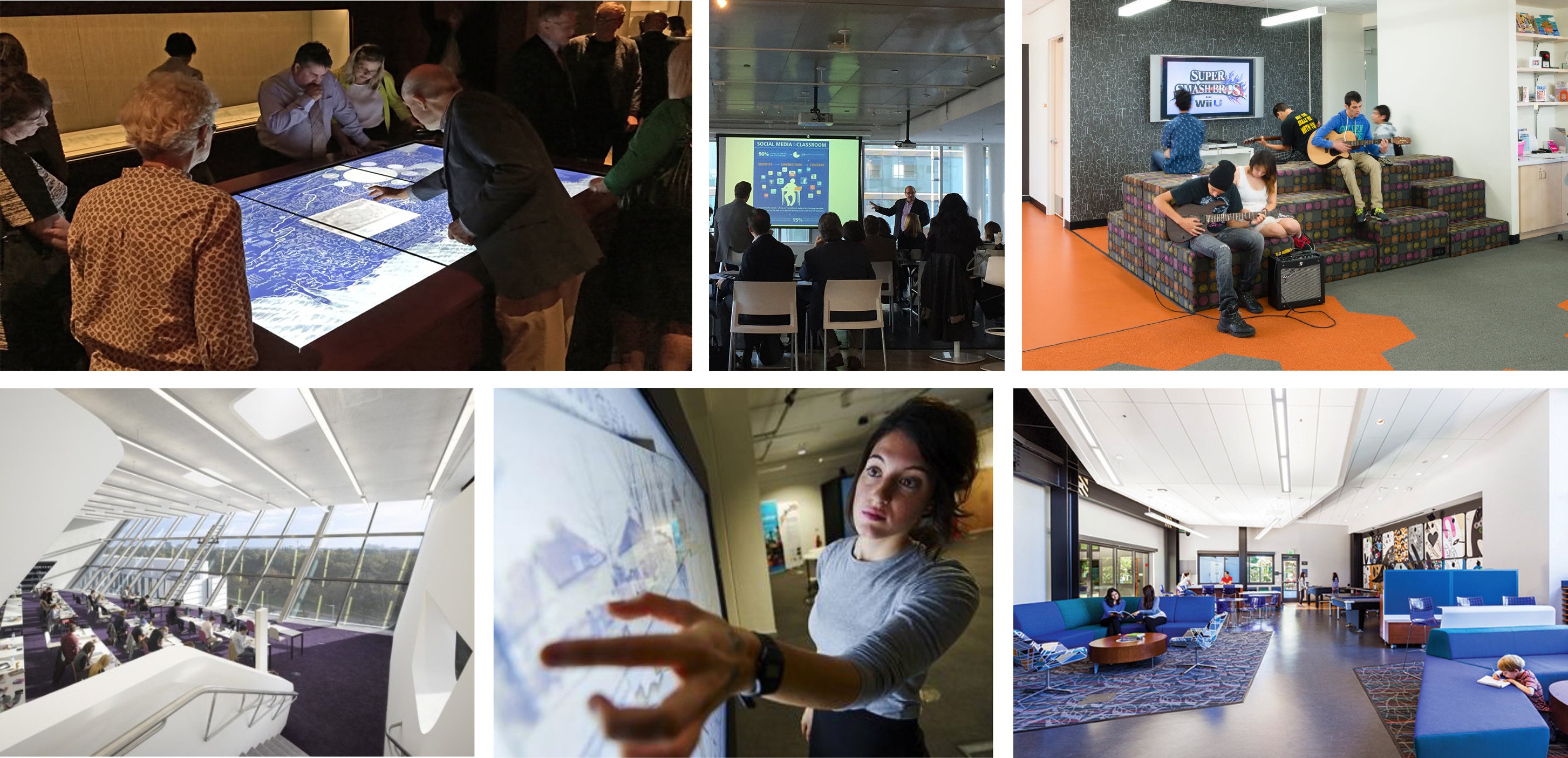
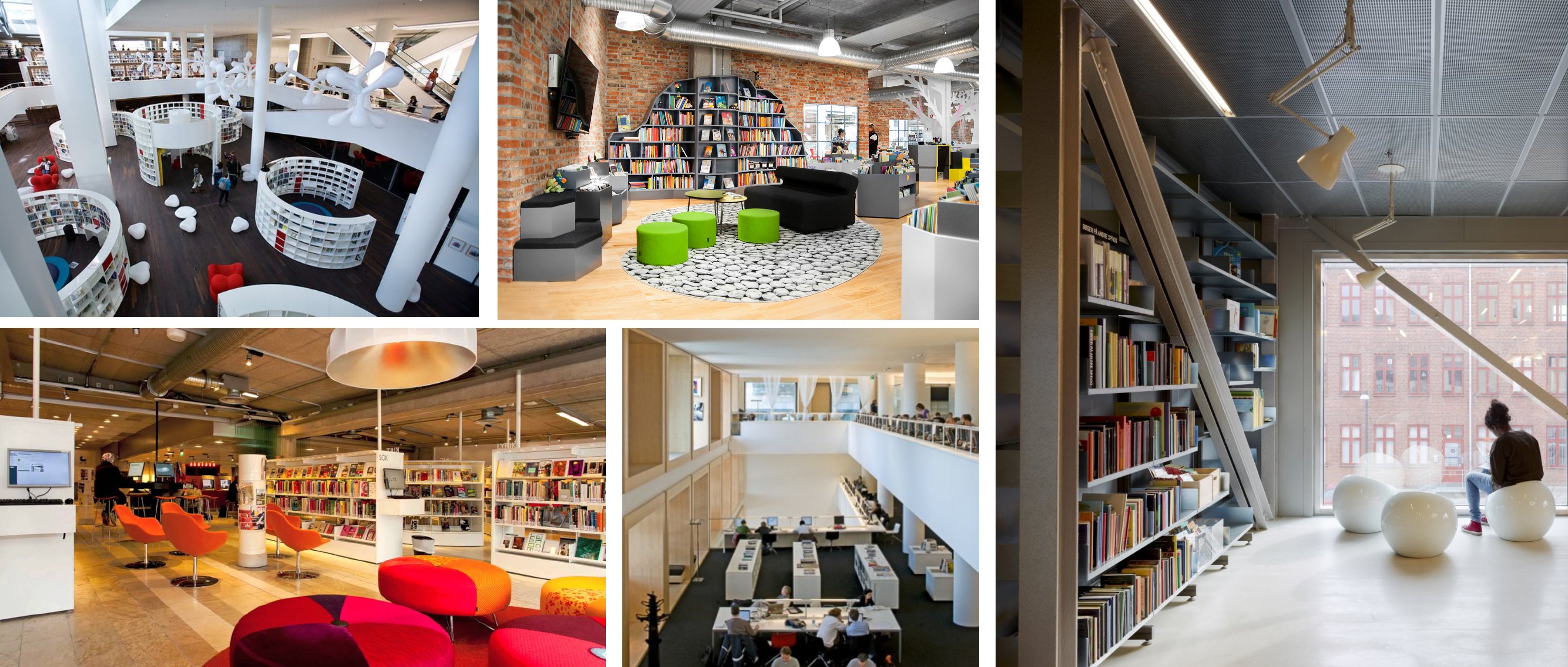
Space programming for library or allocation of spaces must move beyond simply housing collections; it requires creating a diverse ecosystem of environments — quiet study zones, collaborative project rooms, technology-rich learning commons, and flexible spaces for events and exhibitions. Every decision about how space is used is also a decision about who the library serves and how well it serves them.
Core Capabilities
What We Bring to Every Engagement
Successful library transformations depend on the coordinated efforts of librarians, architects, facilities management, and academic staff. Our consulting practice integrates strategic planning, space design, digital asset management, and community leadership development into a single, coherent process — so that every recommendation is grounded in your institution's real conditions and long-term goals.
We translate institutional goals into spatial programs — defining the right mix of quiet study, collaborative zones, technology commons, and flexible event space for your specific community.
We help libraries preserve, organize, and enhance access to collections — integrating digital resources into the physical environment through interactive displays, QR-linked platforms, and seamless online access.
We involve students, faculty, administrators, and donors in the planning process — soliciting feedback, addressing concerns, and building the broad institutional support that sustains long-term investment.
We help you build a compelling case for investment — presenting data on library impact, demonstrating return on institutional goals, and identifying grants, donations, and external partnerships.
Strategic Library Development

Building the Case for Investment
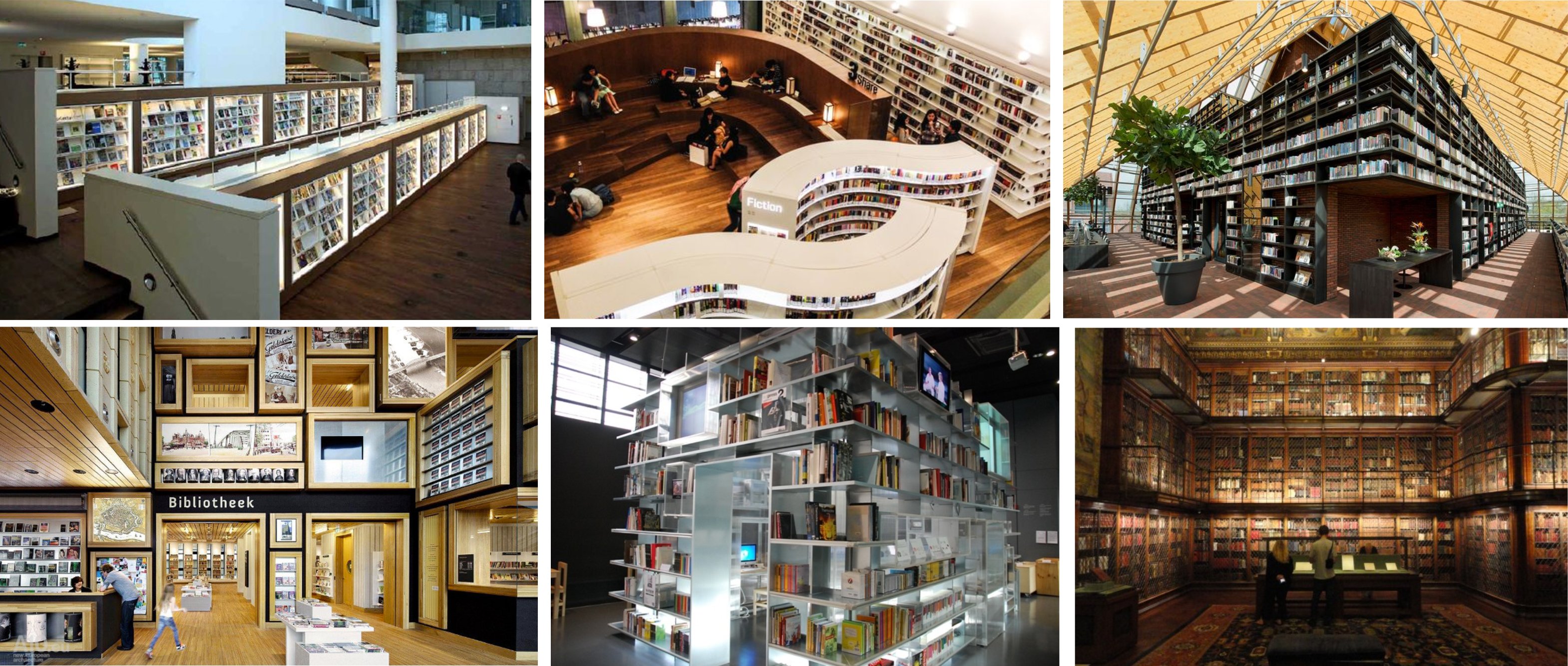
Securing funding for library development requires a compelling narrative that demonstrates the library's value to the institution.
Data-Driven Advocacy: Present data on the positive impact of library services on student success, research productivity, and institutional reputation. Numbers drawn from your own community are far more persuasive than national benchmarks alone — we help you collect, interpret, and present them effectively.
Stakeholder Engagement: Involve students, faculty, administrators, and donors in the planning process. Solicit their feedback and address their concerns. When the people who use the library have shaped its direction, they become its advocates.
Highlight the Library's Return on Investment: Demonstrate how library investments contribute to the institution's strategic goals — from retention and graduation rates to research output and accreditation standing.
Explore Diverse Funding Sources: Pursue grants, donations, and partnerships with external organizations. A well-structured funding strategy rarely relies on a single source; we help you map the landscape and pursue the right mix for your institution.
Digital Integration in Physical Space
Embedding digital resources into the built environment
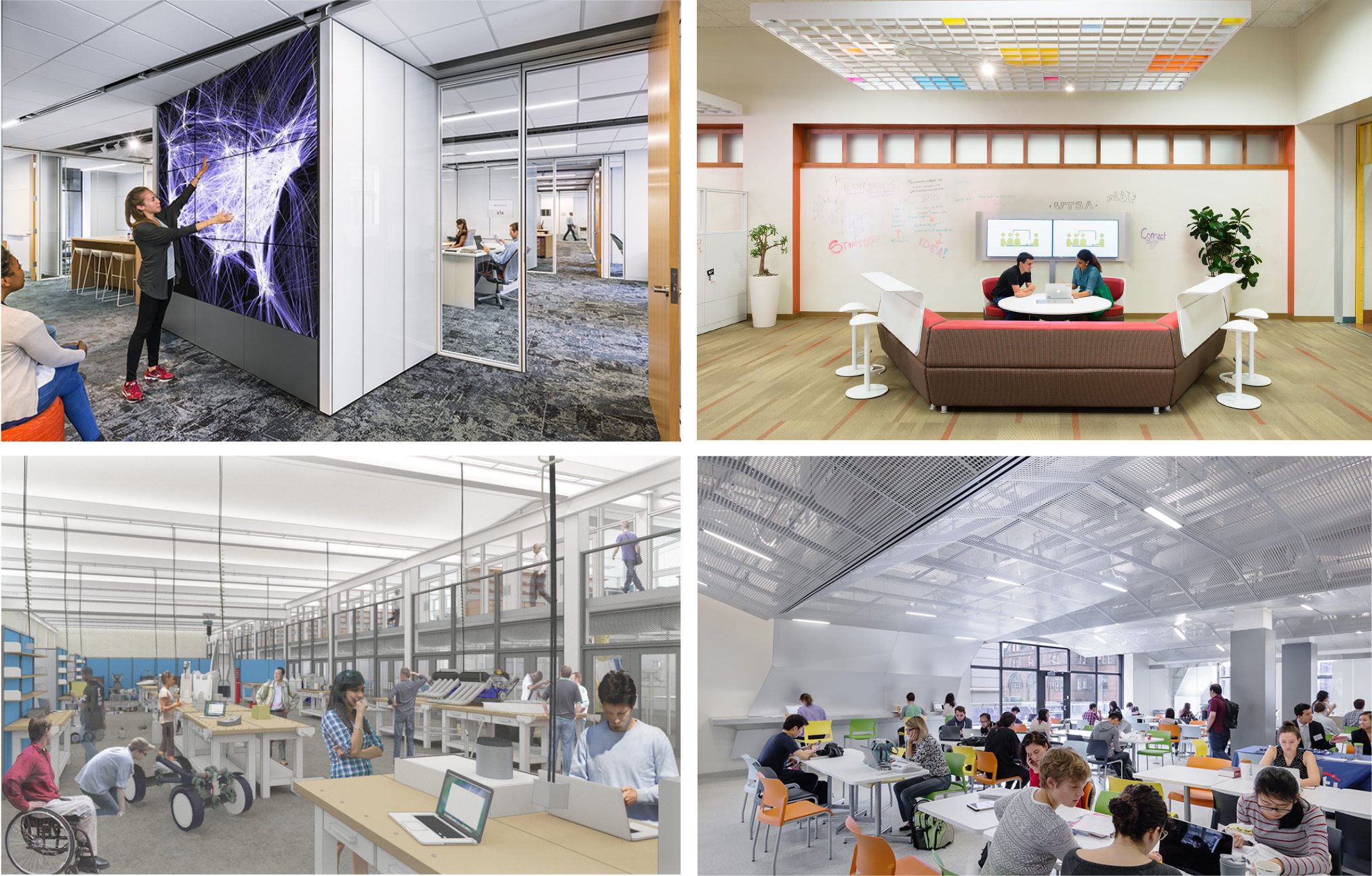
Integrating service planning is part of library architectural projects. Modern libraries aren't merely providing digital resources; they're embedding them into the physical environment — interactive touchscreen displays, and seamless access to online learning platforms through QR codes. This integration demands a blend of asset management operations to preserve, organize, and enhance access to the collections, supporting research and maximizing institutional impact.
Hybrid physical-digital learning environments require careful coordination between the technology infrastructure, the spatial layout, and the service model. A reading room with excellent acoustics but no reliable wireless access fails its users just as surely as one with the wrong furniture. We plan for all three layers simultaneously — space, technology, and service — so that each reinforces the others.
Virtual and augmented reality research tools, advanced technology-enabled study spaces, and seamless digital resource accessibility are no longer aspirational features; they are increasingly baseline expectations at research institutions. Our consulting practice helps you assess where your library stands against those expectations and build a realistic, phased roadmap to close the gap.
Community and Leadership Development
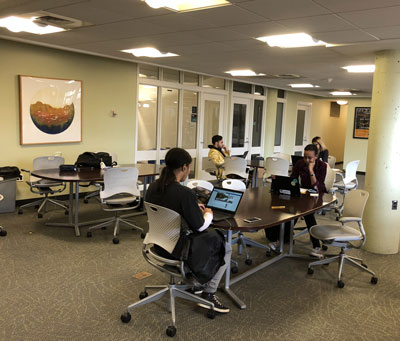
Empowering library leaders through the architectural process
Library programming and design leadership is part of the strategic planning process. Often, our work starts after the strategic plan is complete. Successful transformations depend on the coordinated efforts of librarians, architects, facilities management, and academic staff. Prioritizing user-centric design, informed by best practices and leadership, is crucial.
The library's value proposition lies in its ability to enhance intellectual space, support academic success, and empower the next generation of learners — a function that demands 20-year updates that require strategic investments. We empower library leaders during the architectural process, enabling service improvements and access to shared resources.
Leadership development in this context is not a soft skill exercise. It means giving library directors and department heads the frameworks, data, and facilitation tools they need to advocate effectively inside their institutions — to make the case for space, for staffing, for technology, and for the long-term investment that a genuinely useful library requires. See our work on academic library strategy and space and service planning for more on how this plays out in practice.
Explore Our Services
Where to go next
Our consulting practice spans the full lifecycle of library development — from initial needs assessment through architectural programming, technology planning, and post-occupancy evaluation. Each of the following areas represents a distinct body of work we bring to client engagements.